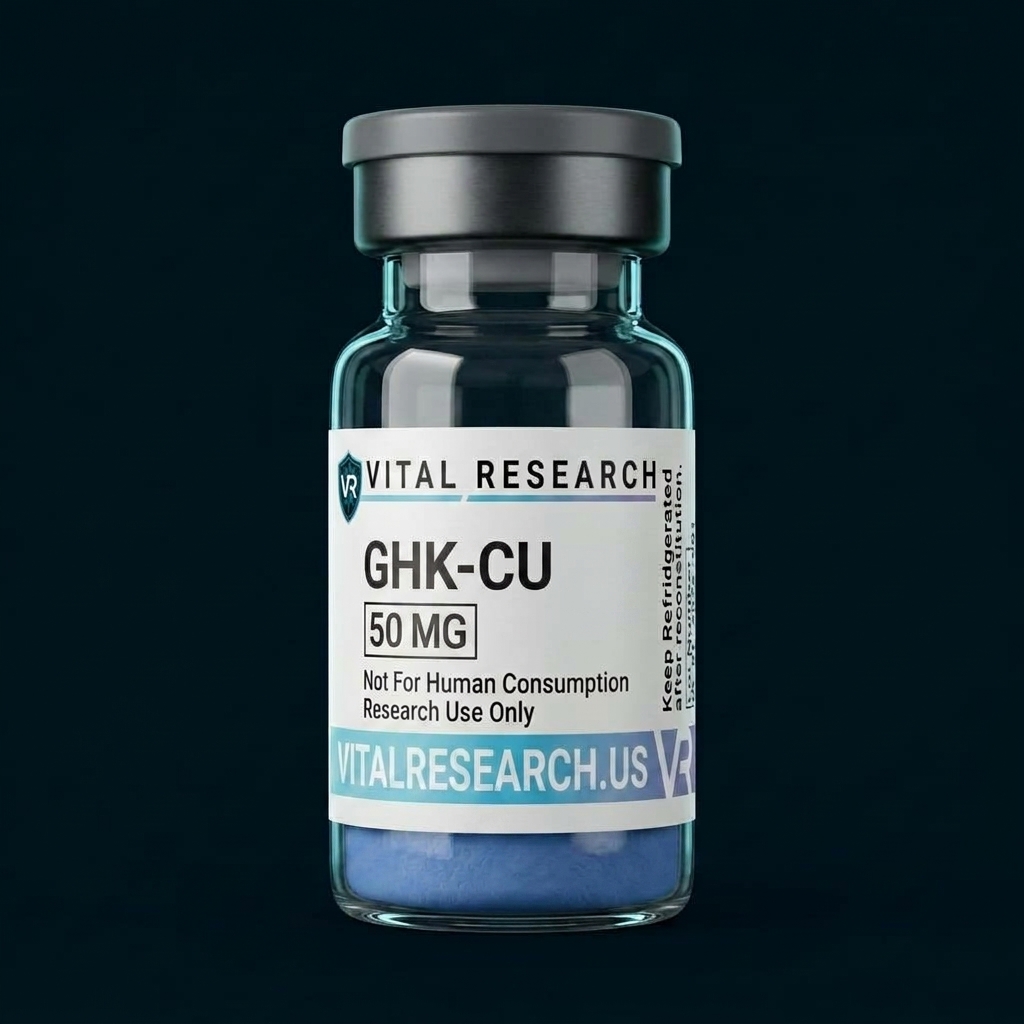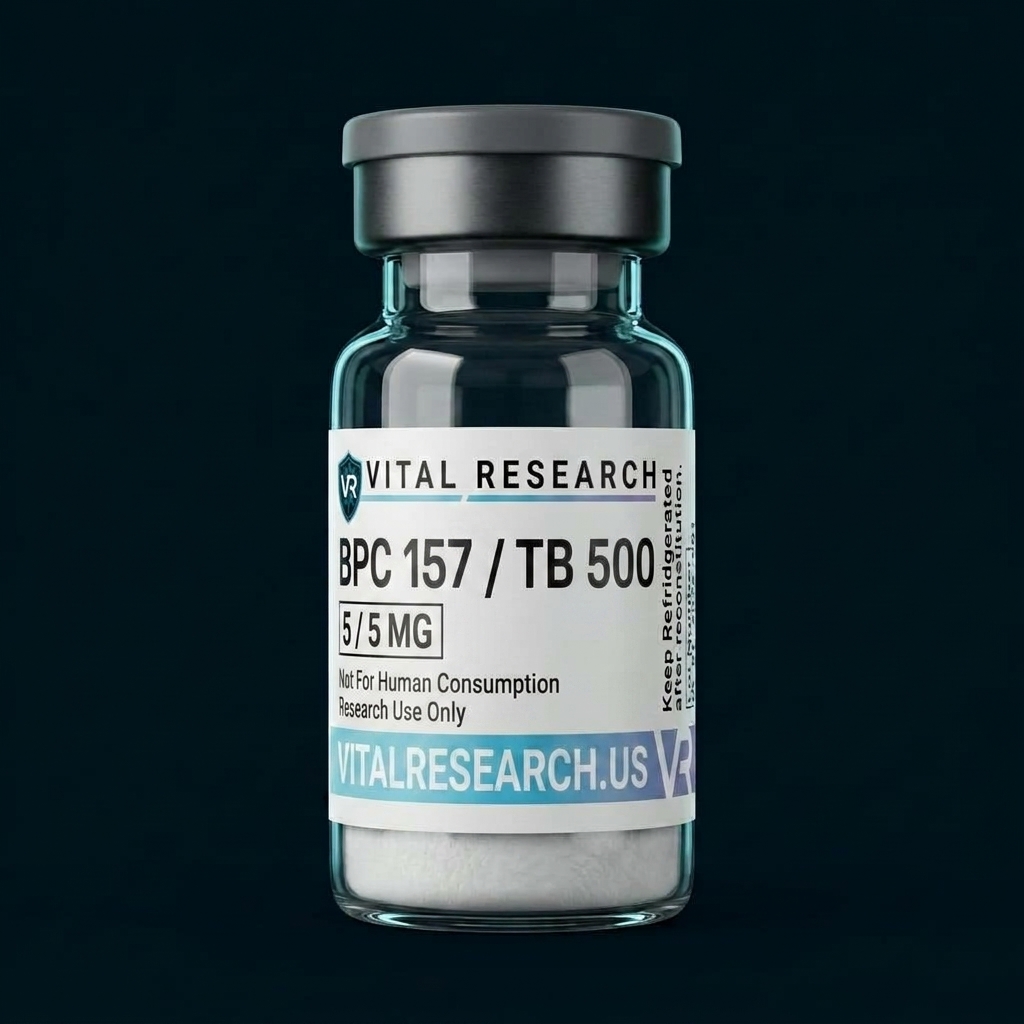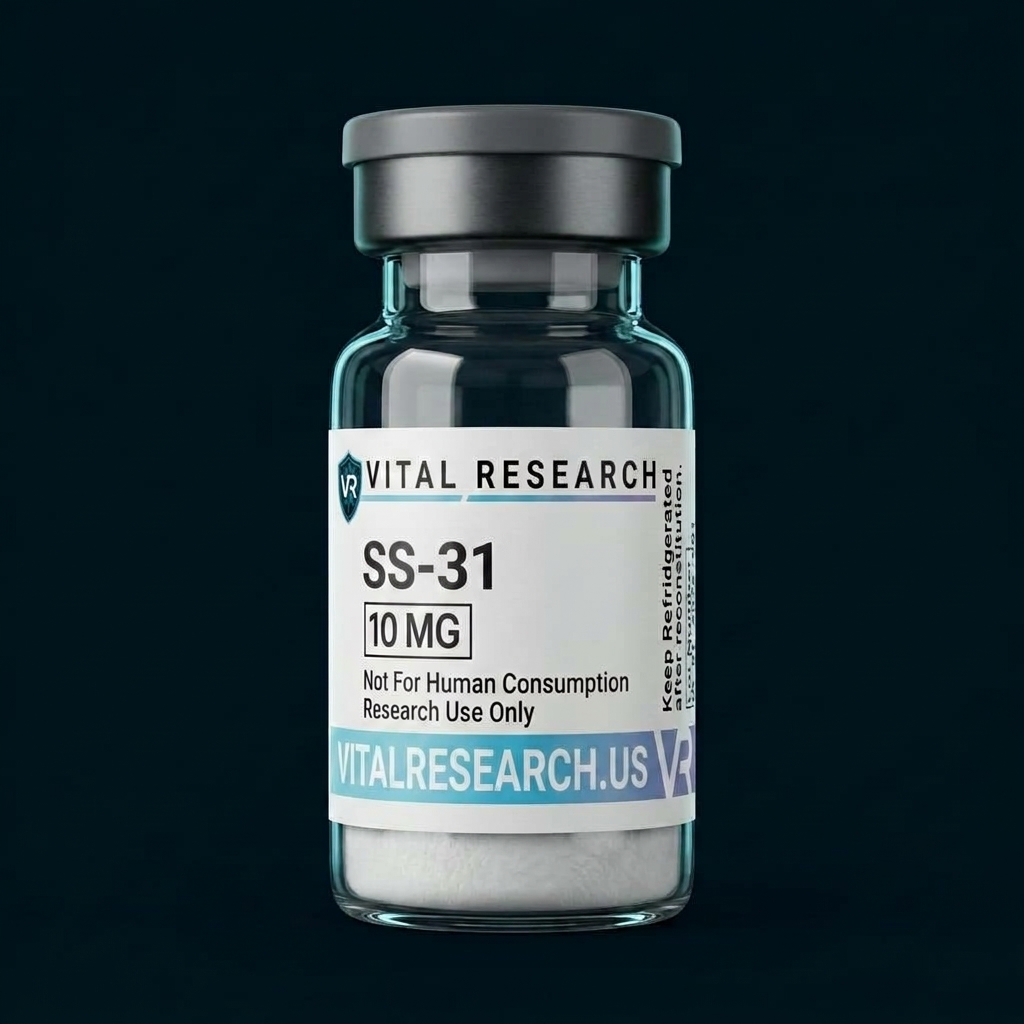
COA
Certificate of Analysis
Third-party HPLC and MS testing for every batch, published before purchase and tied to the batch being sold.
HPLC / MSAll products made available on this website are intended exclusively for research and development purposes and are strictly not for human consumption or therapeutic use. These products are not approved by the U.S. Food and Drug Administration (FDA), and no statements on this website have been evaluated by the FDA.
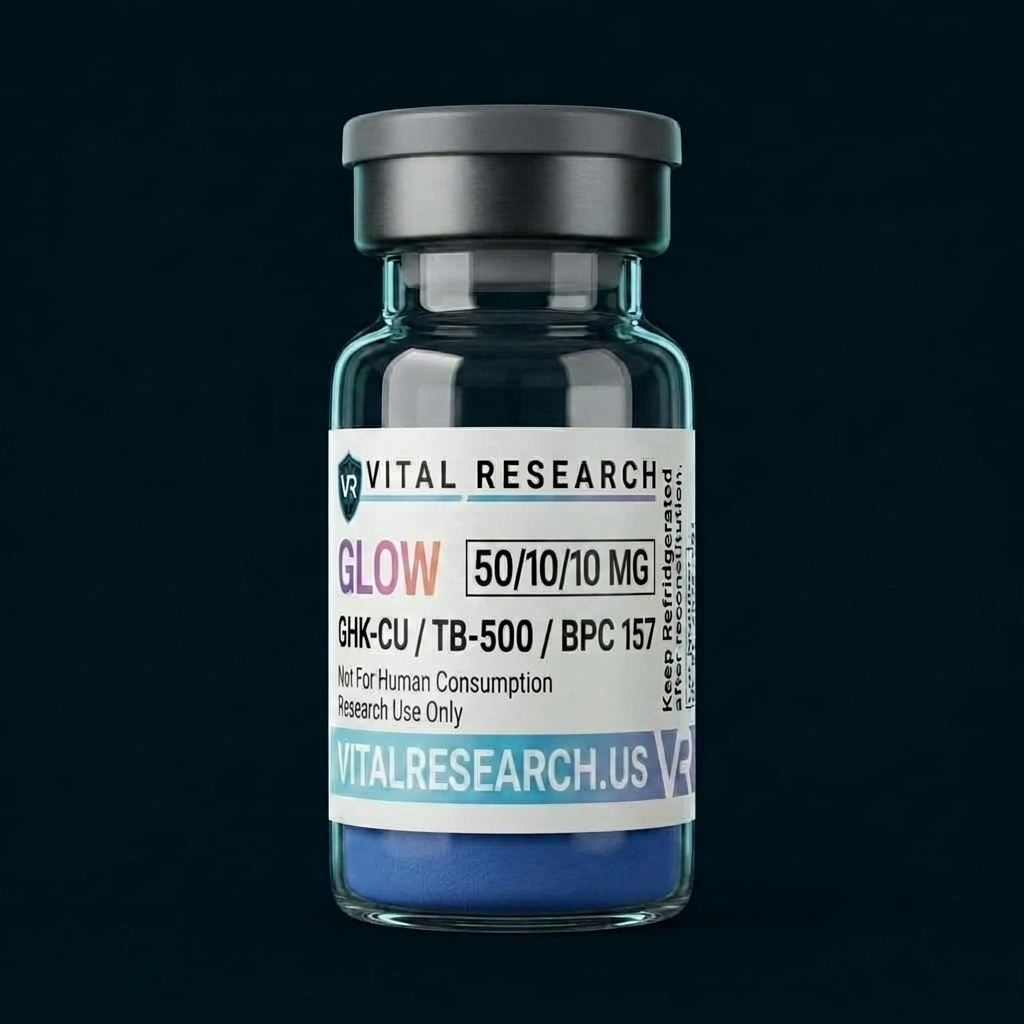
GHK-Cu + TB-500 + BPC-157 stack for dermal and connective tissue research.
Lyophilized powder may shift or come loose during transit; that is a normal occurrence and does not affect the integrity of the research product. Fill appearance and batch-specific details may vary. Refer to the Certificate of Analysis below for the documentation tied to the current batch.
Glow combines three research lanes in one vial: GHK-Cu, BPC-157, and a TB-500-style peptide. In simple terms, it brings together a copper-peptide model, a BPC-157 soft-tissue research model, and a thymosin beta-4 cell-movement research model.
Each component has its own research background, so the blend is best understood as a convenient way to study adjacent peptide categories together while keeping the component identities clear.
Third-party HPLC and MS testing for every batch, published before purchase and tied to the batch being sold.
HPLC / MSEvery vial is stamped with a batch ID that links back to its COA, source record, and current product documentation.
Batch linkedProduct identity, strength, and batch reference stay easy to match from the product listing to the vial in hand.
Listing to vialGlow combines three adjacent research lanes: GHK-Cu for copper-peptide and matrix models, BPC-157 for soft-tissue and angiogenesis models, and a TB-500-style peptide for thymosin beta-4-style cell-migration biology.
A blend should make the component identities, total strength, batch code, and supporting documentation easy to follow. If the component ratio is batch-specific, that belongs in the batch record, not buried in vague marketing copy.
Because each component has its own literature trail. The cleaner approach is to read the GHK-Cu, BPC-157, and thymosin beta-4 lanes separately, then treat Glow as the combined research material.
The single materials are cleaner when the research question is about one component. Glow makes more sense as a catalog lane when the point is the combination itself and the batch documentation supports the blend clearly.
Literature links are included for background reading. Batch-specific identity and purity details live in the COA tied to the current batch.